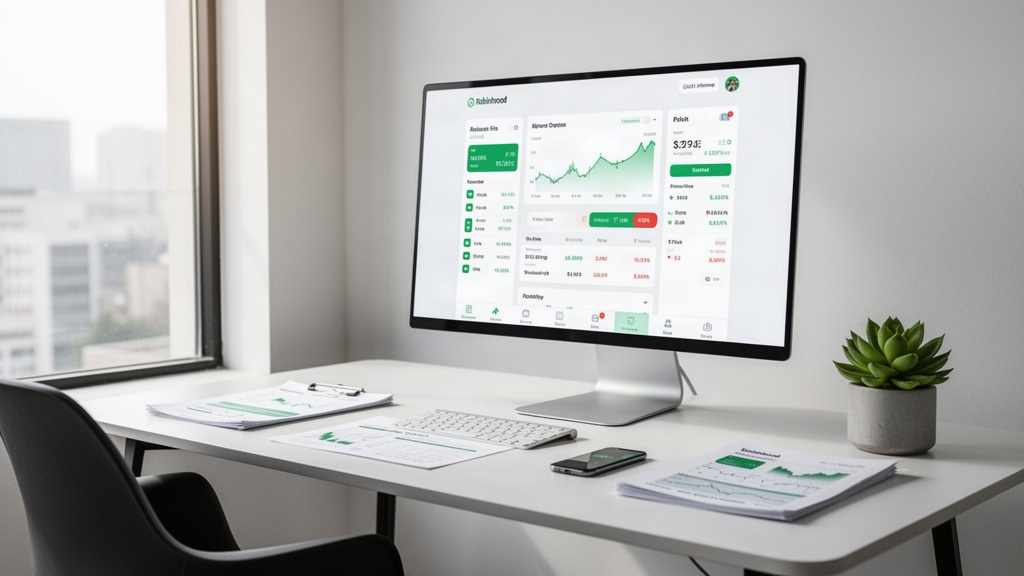
Robinhood Finance has fundamentally altered how everyday Americans approach investing. Before its arrival, buying stocks meant navigating complex brokerage accounts, paying hefty commissions, and often needing thousands of dollars just to get started. Robinhood Markets, Inc. stripped away those barriers with a mobile-first platform that charges zero commission on stock and options trades. The result was a wave of first-time investors who had previously felt locked out of financial markets. With more than 22 million active users as of 2026, the platform has clearly struck a nerve. Whether you view it as a democratizing force or a double-edged tool, its influence on modern retail investing is undeniable.
How Robinhood Finance Reshaped Modern Investing
Before 2013, the standard brokerage commission in the United States hovered around $7 to $10 per trade. For someone investing $500, that fee alone represented a 2% loss before a single share moved in price. Robinhood launched with a straightforward proposition: no commissions, ever. That single decision forced the entire industry to reconsider its pricing model.
By 2019, major brokerages including Charles Schwab, TD Ameritrade, and E*TRADE had all dropped their trading fees to zero. Robinhood essentially compressed years of competitive pressure into a few months of industry-wide repricing. That is a measurable structural change, not a minor tweak.
The platform also redefined who investing is for. Traditional brokerages targeted affluent clients with large portfolios, offering premium research tools and dedicated advisors in exchange for account minimums that could reach $25,000 or more. Robinhood set its minimum at zero dollars. A college student with $50 could open an account on a Tuesday afternoon and own shares of a publicly traded company by Tuesday evening.
Fractional shares extended this accessibility even further. Rather than needing roughly $180 to buy a single share of a well-known tech company, users can invest as little as $1 and own a proportional slice. This feature matters enormously for younger investors building portfolios gradually, paycheck by paycheck, rather than in large lump sums.
The mobile interface itself deserves attention. Robinhood designed its app with the same visual logic as social media platforms: clean feeds, instant notifications, and frictionless one-tap trades. Financial regulators later questioned whether that design made trading feel too much like a game, but from a pure adoption standpoint, it worked. Millions of users who had never touched a brokerage account found the interface approachable enough to use daily.
The ripple effects reached beyond individual users. Retail trading volume surged during periods of market volatility, with Robinhood users collectively moving markets in ways that institutional investors had to acknowledge. The January 2021 short squeeze involving certain meme stocks put retail investors on the front page of every financial publication, with Robinhood users at the center of the story.
Features That Set the Platform Apart
The zero-commission model gets most of the attention, but several other features explain why Robinhood retains users rather than just attracting them. Robinhood Gold, the premium subscription tier priced at $5 per month, offers access to margin trading, larger instant deposits, and professional research reports from Morningstar. For a beginning investor ready to step up, that price point is far more accessible than comparable offerings at traditional brokerages.
The platform supports trading in stocks, ETFs, options, and cryptocurrencies within a single account. That breadth matters for users who want exposure to different asset classes without managing multiple accounts across different platforms. Cryptocurrency trading in particular attracted a younger demographic that was already comfortable holding digital assets.
Instant settlement is another practical differentiator. When a user sells a stock, a portion of the proceeds becomes available immediately for reinvestment, rather than waiting the standard two business days for full settlement. For active traders managing positions, that speed changes how they operate.
Robinhood's cash management feature allows uninvested funds to earn interest, turning idle cash into a working asset. The platform also introduced retirement accounts, including traditional and Roth IRAs, with a matching contribution feature for eligible deposits. That move signaled a shift from pure trading platform toward a broader financial services product.
The educational content embedded in the app has improved substantially. Early versions of the platform were criticized for offering little guidance to inexperienced traders. Current iterations include contextual explanations of financial terms, risk disclosures tied directly to specific trades, and news feeds filtered by portfolio holdings. A user holding shares in a company will see relevant earnings reports and analyst updates without having to search for them separately.
Robinhood vs. the Competition: A Direct Comparison
Placing Robinhood alongside established competitors reveals where it genuinely excels and where it still trails. The table below compares Robinhood, E*TRADE, and Charles Schwab across the dimensions that matter most to new investors.
| Feature | Robinhood | E*TRADE | Charles Schwab |
|---|---|---|---|
| Stock & ETF Commissions | $0 | $0 | $0 |
| Options Commissions | $0 per contract | $0.65 per contract | $0.65 per contract |
| Account Minimum | $0 | $0 | $0 |
| Fractional Shares | Yes (from $1) | Yes | Yes |
| Cryptocurrency Trading | Yes (integrated) | No | No (via partner) |
| Research & Analysis Tools | Basic (Gold tier) | Advanced | Advanced |
| Mobile Experience | Excellent | Good | Good |
| Customer Support | Limited (chat/email) | Phone & chat | 24/7 phone & branch |
| Retirement Accounts | IRA with match | Full IRA suite | Full IRA suite |
The comparison makes the trade-offs clear. Robinhood leads on options pricing, charging nothing per contract while its two main competitors charge $0.65. For an active options trader executing dozens of contracts weekly, that difference compounds into real savings. On research tools and customer support, however, Charles Schwab and E*TRADE offer substantially more depth. Schwab provides access to in-person branches, a resource that simply does not exist in Robinhood's model.
New investors who prioritize simplicity and low costs will find Robinhood's offer hard to match. Investors who need comprehensive research, tax-loss harvesting tools, or dedicated advisor access will likely find the platform's limitations frustrating as their portfolios grow.
Regulatory Scrutiny and the Questions Worth Asking
No honest assessment of Robinhood skips its regulatory history. The Securities and Exchange Commission (SEC) fined Robinhood $65 million in December 2020 for failing to disclose its practice of payment for order flow, the mechanism by which the platform routes customer orders to market makers in exchange for compensation. That practice is legal, but the lack of transparency drew sharp criticism from regulators and consumer advocates alike.
The Financial Industry Regulatory Authority (FINRA) separately fined the company $70 million in 2021, the largest fine in FINRA's history at that point, covering a range of issues including system outages that prevented customers from trading during volatile market periods and the approval of options trading for users who did not meet appropriate experience thresholds.
The January 2021 trading restrictions on certain heavily shorted stocks generated congressional hearings and widespread public anger. When Robinhood temporarily limited purchases of specific securities, users who felt they had been disadvantaged to protect institutional players filed lawsuits. The company cited clearinghouse deposit requirements as the operational reason for the restrictions, a technical explanation that satisfied regulators more than it satisfied users.
These episodes point to a genuine tension. A platform designed to make investing feel effortless carries real risk when users trade instruments they do not fully understand. Options contracts, in particular, can expire worthless or generate losses that exceed an initial investment. The SEC has pushed for stricter disclosure requirements around how platforms present these products, and Robinhood has updated its approval process in response.
What the regulatory record ultimately shows is that Robinhood operates in a regulated industry where shortcuts carry consequences. The platform has paid its fines, updated its disclosures, and continued growing. For new investors, the lesson is straightforward: low fees and a clean interface do not eliminate investment risk, and understanding what you are trading remains your own responsibility regardless of which platform you use.