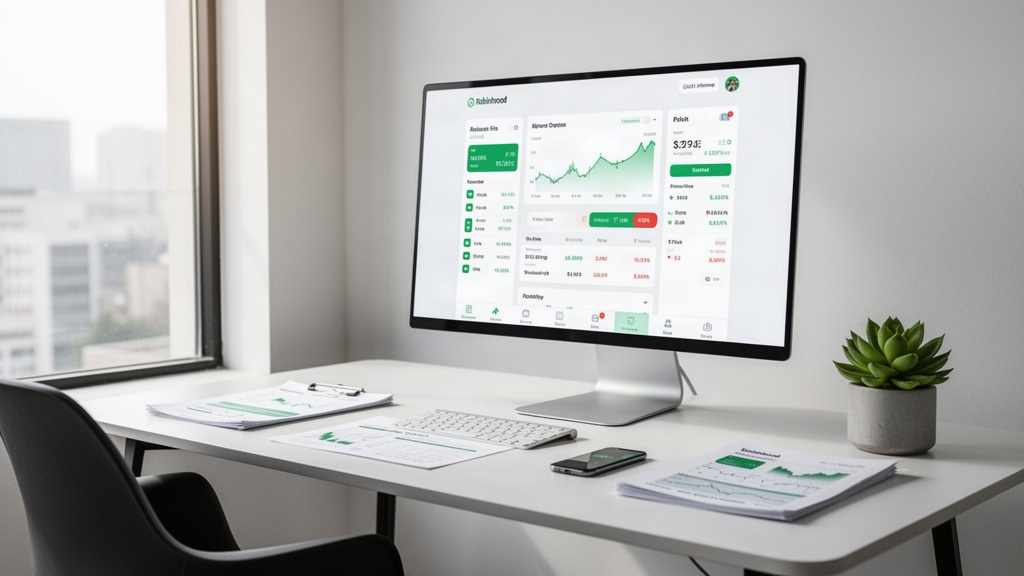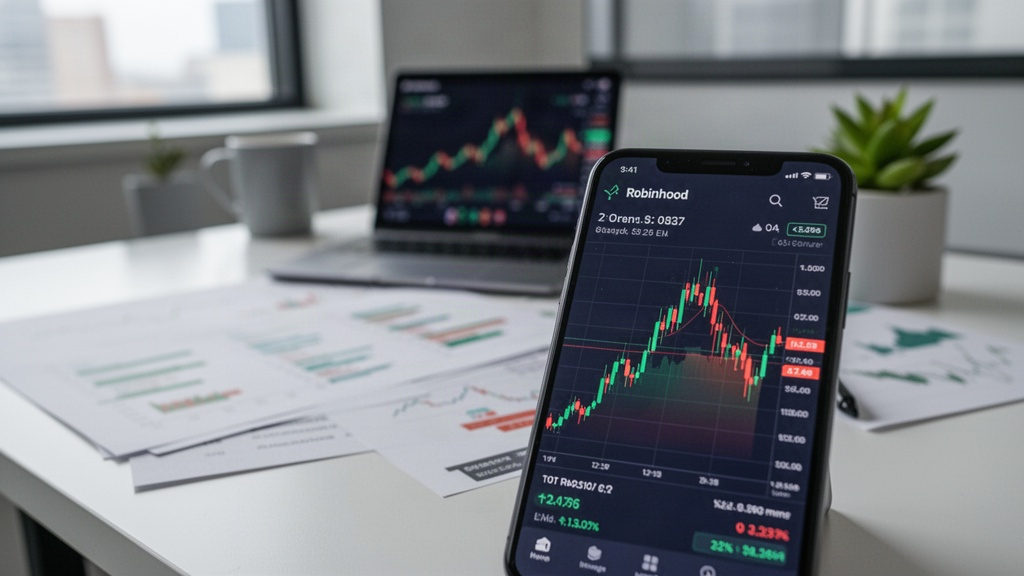
Robinhood Finance has fundamentally changed how everyday Americans approach investing. What started as a simple idea — giving ordinary people access to financial markets without paying hefty brokerage fees — has grown into a platform with more than 20 million users and a reputation that extends well beyond Silicon Valley. Whether you trade stocks, ETFs, options, or cryptocurrency, Robinhood offers tools that were once reserved for institutional players. The platform operates under oversight from both the Securities and Exchange Commission (SEC) and the Financial Industry Regulatory Authority (FINRA), which provides a regulatory framework that serious investors expect. Ignoring what Robinhood offers today means potentially leaving real money and real opportunity on the table.
What Robinhood Finance Actually Offers Investors
Robinhood Markets, Inc. launched with a single disruptive promise: zero-commission trading. That promise has held. Users can buy and sell stocks, ETFs, and options without paying any transaction fees, a structure that was virtually unheard of before the platform arrived. Traditional brokerages charged anywhere from $5 to $10 per trade, which created a quiet but significant barrier for smaller investors trying to build wealth over time.
The platform has since expanded well beyond its original scope. Cryptocurrency trading is available directly within the app, covering assets like Bitcoin, Ethereum, and Dogecoin. Robinhood Gold, a premium subscription tier, unlocks margin investing, professional research reports from Morningstar, and larger instant deposit limits. These features bring the platform closer to what a full-service brokerage provides, without the traditional cost structure.
Fractional shares are another feature worth noting. Investors can purchase a fraction of a single share in high-priced companies like Amazon or Alphabet for as little as $1. This lowers the entry point dramatically and makes portfolio diversification achievable for people who don't have thousands of dollars to deploy at once.
The mobile-first interface is clean and fast. Robinhood built its product for a generation that expects financial tools to work as smoothly as any other app on their phone. Real-time market data, customizable watchlists, and instant notifications on price movements are all standard. The platform also offers an IRA product with a matching contribution feature, which directly competes with retirement offerings from established brokerages. Robinhood continues adding features at a pace that keeps it relevant even as competitors have adopted commission-free models in response.
The Real Advantages of Trading on This Platform
The financial case for using Robinhood goes beyond the absence of commissions. Over time, fee elimination compounds in ways that matter. An investor making 50 trades a year at a traditional brokerage charging $7 per trade pays $350 annually just to execute orders. On Robinhood, that cost is zero. That $350 stays invested.
Here are the primary advantages that make Robinhood worth serious consideration:
- Zero-commission trading on stocks, ETFs, and options, with no account minimums required to get started
- Fractional share investing starting at $1, making high-value stocks accessible to all budget levels Cryptocurrency access integrated directly into the same account, without needing a separate exchange
- Robinhood Gold membership providing margin trading, Morningstar research, and larger instant deposits
- IRA accounts with a 1% match on contributions, which adds direct monetary value to long-term savers
Speed of execution is another genuine strength. Orders process quickly, and the app rarely experiences the downtime that plagued earlier versions of the platform. The cash management feature also allows uninvested funds to earn a competitive yield, so idle money doesn't sit doing nothing while waiting to be deployed.
For newer investors, the educational content built into the app provides accessible explanations of financial concepts without overwhelming jargon. Learning what an option contract is, or how a limit order differs from a market order, happens within the same interface where you actually place trades. That integration reduces the gap between learning and doing, which is where most beginner investors get stuck.
The platform's referral program has also historically rewarded users with free stock for bringing in new members, adding a social dimension to the investing experience that traditional brokerages never bothered to build.
Risks and Regulatory Realities to Understand
No investment platform operates without risk, and Robinhood has had its share of scrutiny. The company paid a significant settlement to FINRA in 2021 related to outages, misleading communications, and options trading approvals — the largest in FINRA's history at the time. That settlement was a wake-up call, and Robinhood has since invested heavily in improving its infrastructure and compliance processes.
The business model behind commission-free trading deserves transparency. Robinhood generates revenue primarily through payment for order flow (PFOF), a practice where market makers pay for the right to execute customer orders. The SEC has scrutinized this practice, and regulatory changes remain a genuine possibility. Investors should understand that "free" trading has an underlying economic structure, even if the direct cost to the user is zero.
Options trading carries inherent risk for inexperienced users. The platform's streamlined interface makes complex instruments feel approachable, which can lead some users to take on more risk than they fully understand. Margin trading amplifies both gains and losses, and Robinhood Gold subscribers who use margin should have a clear grasp of how leverage works before activating it.
Account security is worth monitoring carefully. Two-factor authentication is available and should be enabled immediately. Robinhood accounts are protected by SIPC coverage up to $500,000 for securities, which provides meaningful protection against brokerage failure, though it does not cover investment losses from market movements. Cryptocurrency holdings fall outside SIPC protection, a distinction that matters when assessing total portfolio risk.
Financial regulations can shift, and any changes to PFOF rules or cryptocurrency oversight could affect how Robinhood operates. Staying informed through the SEC's official publications is a practical habit for any active user of the platform.
Where the Platform Is Heading and Why It Matters Now
Robinhood has moved from a scrappy startup to a publicly traded company with serious ambitions. The platform's expansion into retirement accounts, its growing suite of cash management tools, and its continued investment in cryptocurrency infrastructure all point toward a broader financial services strategy. The goal is clearly to become the primary financial hub for a generation of investors who grew up with smartphones.
The competitive pressure Robinhood created is itself worth recognizing. Major brokerages like Fidelity, Charles Schwab, and TD Ameritrade all eliminated trading commissions in direct response to Robinhood's model. That shift saved retail investors billions of dollars annually across the entire industry. One platform's disruption produced systemic change.
Looking ahead, the integration of artificial intelligence tools into portfolio management and trade analysis represents the next frontier. Robinhood has signaled interest in building smarter recommendation features that help users make more informed decisions without requiring them to become professional analysts. Whether that materializes at scale will depend on regulatory approval and technical execution, but the direction is clear.
The IRA matching feature is particularly significant for long-term wealth building. A 1% match on contributions sounds modest, but compounded over decades of consistent investing, it adds real value that most users underestimate. For someone contributing the maximum annual IRA amount, that match translates into hundreds of dollars of free money each year.
Robinhood's user base continues growing, and the platform's willingness to iterate quickly on features gives it an adaptability that older institutions struggle to match. Investors who engage with the platform thoughtfully — understanding both its advantages and its structural mechanics — are positioned to use it as a genuine wealth-building tool rather than just a trading app.